|
Sách hiếm - cho đến khi được phổ biến ở các nơi mà "thánh kinh" có mặt. | |||||||||
|

|
| |||||||||
|
Tìm chữ | |||||||||
|
| |||||||||
|
| |||||||||
|
Chủ Trương | |||||||||
| Các đề mục : | |||||||||
» Lưu Trữ Theo Ngày Tháng | |||||||||
| » Các bài về Cải Đạo | |||||||||
| » Các Truyền Nhân Của Chúng Tôi | |||||||||
| » Chữ Quốc Ngữ | |||||||||
| » Hồ sơ CIA giải mật | |||||||||
| » Lạm dụng tình dục | |||||||||
| » GHLM: Lịch Sử và Hồ Sơ Tội Ác | |||||||||
| » Vài Danh Sách Cừu Đen | |||||||||
| » Ý Thức Văn Thân Thế Kỷ 21 | |||||||||
|
| |||||||||
| Các tác giả: | |||||||||
| Bùi Kha | |||||||||
| Charlie Nguyễn | |||||||||
| Hoàng Nguyên Nhuận | |||||||||
| Hoành Linh Đỗ Mậu | |||||||||
| Lý Thái Xuân | |||||||||
| Nguyễn Đắc Xuân | |||||||||
| Nguyễn Mạnh Quang | |||||||||
| Nguyễn Văn Thịnh | |||||||||
| Nguyễn Văn Thọ | |||||||||
| Thiên Lôi | |||||||||
| Trần Chung Ngọc | |||||||||
| Trần Tiên Long | |||||||||
| Trần Trọng Sỹ | |||||||||
| Các tác giả thân hữu | |||||||||
| |||||||||
| |||||||||
|
| |||||||||
|
Các trang bạn | |||||||||
|
▬ Các kênh Youtubes: ▬ Các Facebooks: ▬ Các websites: | |||||||||
|
"Theo tao, hay theo nó ?" - Tụi tao éo theo bên nào - Xuất hiện một siêu chủng mới The Supramental Race
From Quán Tâm Cư Sĩ
BẰNG CHỨNG :
Lịch sử nhân loại đang sang trang"
- các nước da trắng phương tây bị phân hóa và sẽ không còn thống trị thế giới !
Thánh Ý ngắn hạn của Sri Aurobindo :
1. Cách Mạng 1917 tại Nga
2. Thống nhất châu Âu
3. Châu Á trổi dậy
4. Đánh bật ảnh hưởng Mỹ ra khỏi châu Á
** Thánh Ý dài hạn của Sri Aurobindo:
Xuất hiện một siêu chủng mới The Supramental Race,
Chủng Siêu Trí, mà đạo phật bản địa VN gọi là giống Bạch Ngọc
... nhưng chúng ta sẽ không thấy được điều này trong một kiếp ngắn hạn
Quán Tâm Cư Sĩ
_______________________________
With Us or With Them? In a New Cold War, How About Neither. (yahoo.com)
BANGKOK — As the bonds of traditional alliances fray across the globe, the Royal Thai Army, the United States' o...
Hannah Beech, Abdi Latif Dahir and Oscar Lopez
The geopolitical landscape after the Ukraine invasion has often been likened to that of a new Cold War. While the main antagonists may be the same — the United States, Russia and, increasingly, China — the roles played by much of the rest of the world have changed, reshaping a global order that held for more than three-quarters of a century
Governments representing more than half of humanity have refused to take a side, avoiding the binary accounting of us-versus-them that characterized most of the post-World War II era. In a United Nations General Assembly vote this month to suspend Russia from the Human Rights Council, dozens of countries abstained, including Thailand, Brazil, South Africa, Mexico and Singapore. (The resolution succeeded anyway.) [nth : Russia "walked out" or withdrew, from the Human Rights Council in advance, likening it to a kindergarten playground !]
Once proxy battlegrounds for superpowers, swaths of Africa, Asia and Latin America are staking their independence. The return of a bloc of nonaligned nations harks back to a period in which leaders of the post-colonial movement resisted having their destinies shaped by imperialism. It also points to the confidence of smaller countries, no longer dependent on a single ideological or economic patron, to go their own way.
"Without a doubt, the countries of Southeast Asia don't want to be pulled into a new Cold War or be forced to take sides in any great power competition," said Zachary Abuza, a security specialist at the National War College in Washington. "As they say in Southeast Asia, when the elephants fight, the grass gets trampled."
Having to align themselves with one power or another, Abuza added, left many nations around the world "desperately poor and underdeveloped at the end of the Cold War."
As a result, even the United States, the Cold War's victor, cannot count on the support of some of its traditional partners in vocally condemning Russia for its attack on a sovereign, democratic nation. The (unauthorized by the U.N.) NATO-led intervention in Libya in 2011 and the U.S. invasion of Iraq in 2003 have only heightened mistrust of the West. Both military actions left countries in those regions struggling with the political fallout for years after.
"The crux of the matter is that African countries feel infantilized (treated like children) and neglected by Western countries, which are also accused of not living up to their soaring moral rhetoric on sovereignty and territorial sanctity," said Ebenezer Obadare, senior fellow for Africa studies at the Council on Foreign Relations.
(nth : Africa sees, correctly, the hypocrisy of western nations)
Indonesia, a sprawling democracy once ruled by a dictator favored by the United States for his anti-communist stance, has said that it will welcome President Vladimir Putin of Russia when the country hosts the Group of 20 meetings this year. It, too, abstained in the U.N. vote to remove Russia from the Human Rights Council.
"Our government has adopted the questionable strategy of trying to ignore the biggest geopolitical earthquake in 70 years in our agenda as this year's G-20 president, which kind of blows my mind," said Tom Lembong, a former trade minister.
Other U.S. allies have characterized their decision to diversify as a function of American absenteeism. Last year, as China (nth : a nation of 1.4 billion people) spread its vaccine diplomacy around the world, the United States (nth : a nation of 334 million people) was seen initially as hoarding its pandemic supplies.
Before that, during Donald Trump's presidency, the United States pulled out of the Trans-Pacific Partnership, an expansive trade pact that was meant to counter China's way of doing business. Countries like Vietnam that had staked their reputations on joining felt betrayed, once again, by Washington.
Mexico, a longtime U.S. ally, has emphasized its neutrality, and President Andrés Manuel López Obrador has rejected sanctions on Russia.
"Mexico's neutrality is not neutral," said Tony Payan of Rice University's Baker Institute for Public Policy. "Mexico is poking Washington in the eye."
About one-third of American ambassadorships in Latin America and the Caribbean remain unfilled. The vacancies include Brazil, the largest regional economy, and the Organization of (Latin) American States.
"Many Latin Americans were realizing that the United States was abandoning them," said Vladimir Rouvinski, a professor at Icesi University in Cali, Colombia.
Russia cannot count on automatic allegiance from its historical allies, either. Apart from a sense of autocratic camaraderie, ideology is no longer part of Moscow's allure. Russia has neither the patronage cash nor the geopolitical clout of the Soviet Union.
Venezuela, Russia's staunchest supporter in Latin America, received a high-level American delegation (nth : pleading for Venezuelan oil !) on the heels of the Ukraine invasion. Nicaragua, which became one of the first countries to back Russia's recognition of separatist regions in eastern Ukraine, has since tempered its enthusiasm.
During a March U.N. vote condemning Russia's invasion of Ukraine. Cuba abstained, rather than backing Moscow, although it and Nicaragua later rejected the effort to kick Russia off the Human Rights Council.
"They're trying to walk a fine line between certainly not celebrating the invasion, but also not clearly condemning it, arguing in favor of peace," said Renata Keller, a Cuba expert at the University of Nevada, Reno.
The most noticeable hedging has come from Africa, which accounted for nearly half the countries that abstained in the March U.N. vote.
"We don't know why they are fighting," President Samia Suluhu Hassan of Tanzania said in an interview, referring to Russia's invasion of Ukraine.
She added that she was "not sure" there was a clear aggressor in the conflict.
For Thailand, the decision to train with the American, Russian and Chinese militaries, as well as to buy weaponry from each country, is part of its long history of balancing between great powers. Deft diplomacy allowed Thailand to emerge as the only nation in the region not to be colonized.
The current drift away from the United States, which used Thailand as a staging ground for the Vietnam War, also stems from the political pedigree of Prime Minister Prayuth Chan-ocha, who came to power in a military coup eight years ago.
"Though Thailand may currently appear as a democracy, it is at heart an autocracy," said Paul Chambers, a lecturer in international affairs at Naresuan University in Thailand. "A regime such as this will have autocratic bedfellows, including in Moscow."
The same holds in Uganda, which receives almost $1 billion in U.S. aid and is a key Western ally in the fight against regional militancy. Yet the government of President Yoweri Museveni of Uganda has been criticized by the United States and the European Union for a pattern of human rights violations.
Museveni has responded by assailing the West's interference in Libya and Iraq. The president's son, who also commands the country's land forces, said in a Twitter post that a "majority of mankind (that are non-white) support Russia's stand in Ukraine."
Uganda, like dozens of other countries, can afford to speak up because of a new top trading partner: China. This economic reality, even if Beijing promises more than it delivers, has shielded nations once dependent on other superpowers from stark geopolitical choices.
Strategically located countries like Djibouti, host to Camp Lemonnier, the largest permanent U.S. base on the African continent, have diversified. A few years ago, after President Ismail Omar Guelleh's invitation, Beijing established its first overseas military outpost in Djibouti. Guelleh also secured loans from the Chinese to help develop ports, free trade zones and a railway.
Growing Chinese engagement has provided African countries with "alternative investment, alternative markets and alternative ideas of development," said Cobus van Staden, at the South African Institute of International Affairs.
But if the world feels more comfortably multipolar these days, the ripple effects of the fighting in Ukraine are a reminder that globalization quickly links far-flung nations.
Escalating global prices for fuel, food and fertilizer, all a result of war in Ukraine, have heightened hardship in Africa and Asia. Already contending with a devastating drought, East Africa now has at least 13 million people facing severe hunger.
And populations outside Europe know too well that their refugees — such as Syrians, Venezuelans, Afghans, South Sudanese and the Rohingya of Myanmar — cannot expect the welcome given to displaced Ukrainians. In a race for finite reserves of care, aid groups have warned of the perils of donor fatigue for the world's most vulnerable.
"The whole world," Hassan of Tanzania said, referring to Russia and Ukraine, "is affected when these countries are fighting."
© 2022 The New York Times Company
| Đó đây |
|
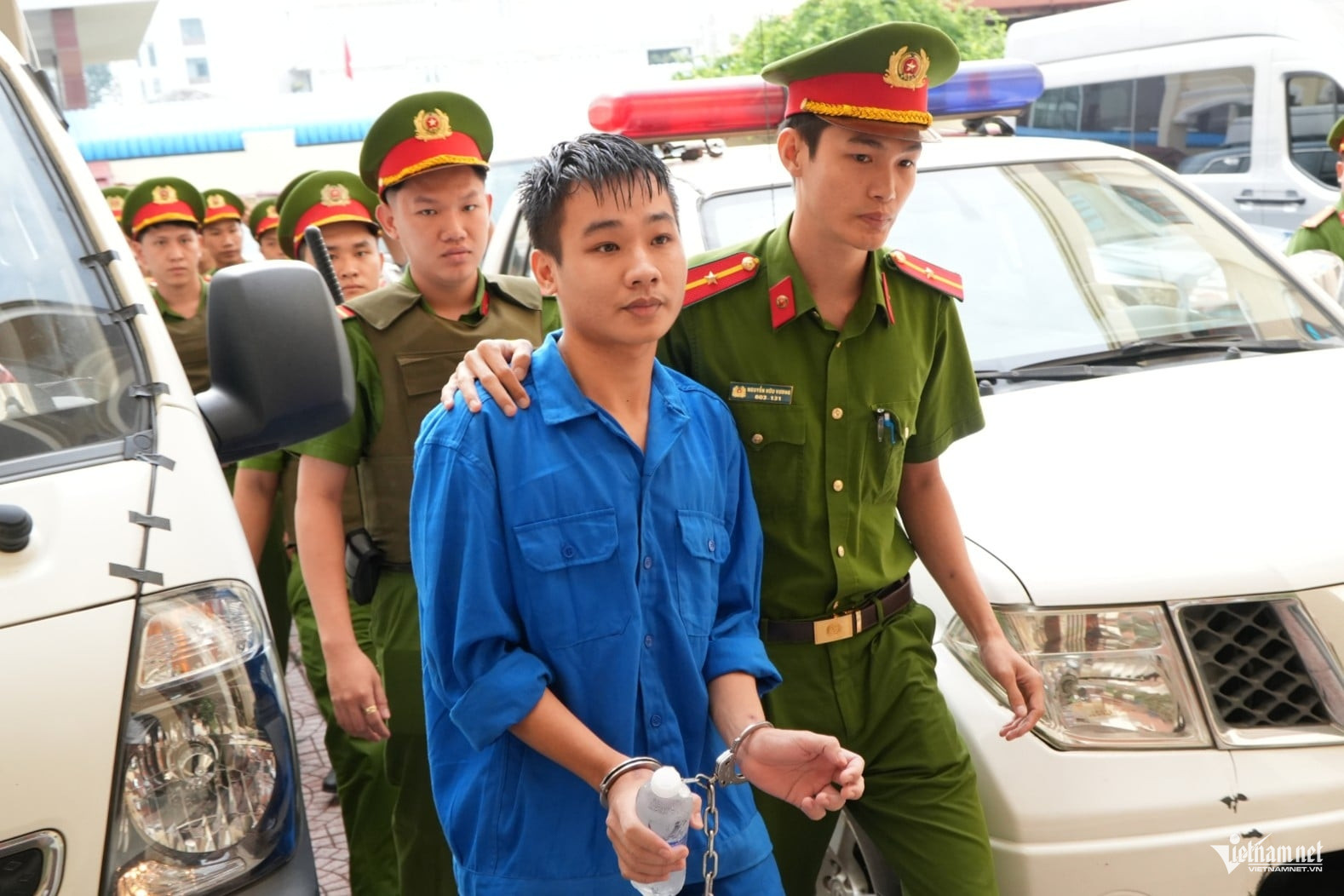
2026-10-11 - Toàn cảnh vụ thảm án khiến ba mẹ con tử vong ở Đồng Nai - Sau khi chia tay, Nguyễn Đức Anh mang dao tìm đến nhà người yêu cũ để trả thù. Không vào được nhà, Đức Anh trèo sang tấn công gia đình hàng xóm khiến 3 người tử vong, 1 người bị thương nặng.
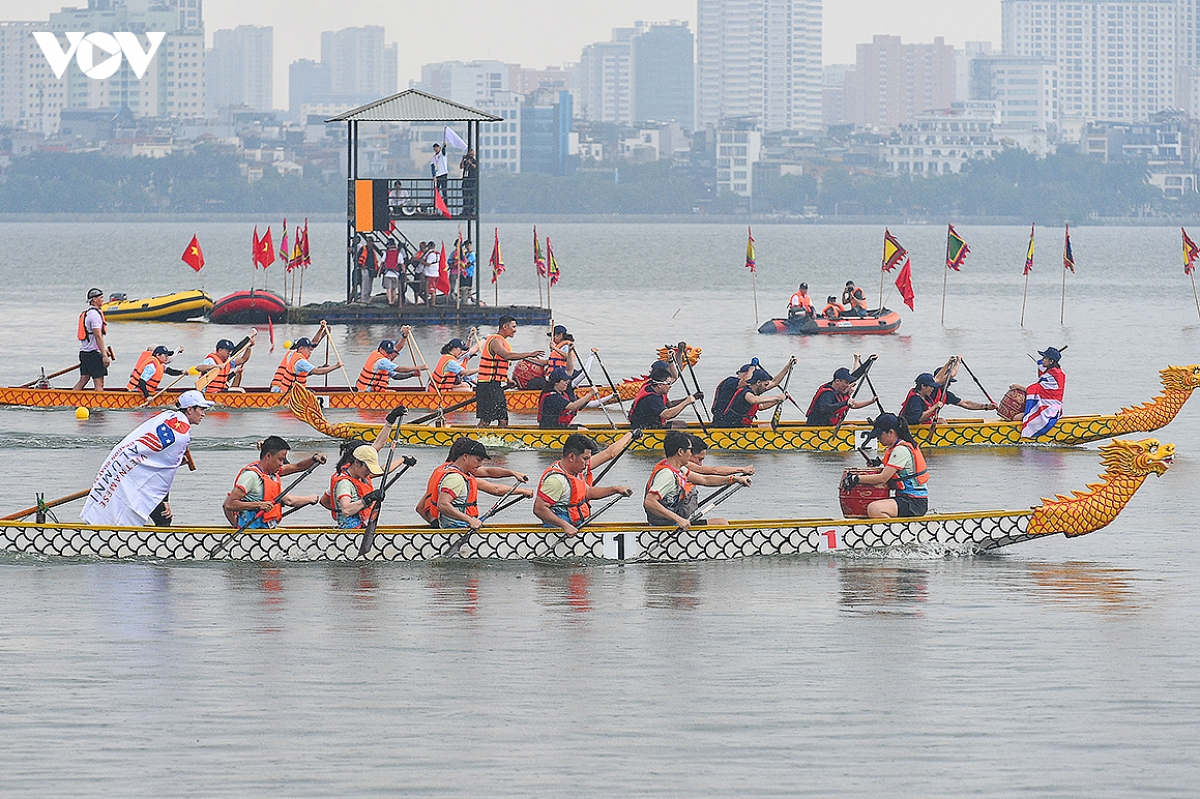
2026-10-10 - Chào mừng giải phóng Thủ đô: Đại tiệc pháo hoa nghệ thuật và trải nghiệm đỉnh cao - Hướng tới kỷ niệm 72 năm Ngày Giải phóng Thủ đô (10/10/1954 – 10/10/2026), Hà Nội sẽ trở thành tâm điểm rực rỡ với chuỗi hoạt động văn hóa, nghệ thuật, thể thao và du lịch quy mô lớn.
2026-10-10 - Mãn nhãn với màn pháo hoa lộng lẫy mừng 72 năm Giải phóng Thủ đô - Pháo hoa rực rỡ sắc màu đã thắp sáng bầu trời Hà Nội trong đêm 10/10, thu hút đông đảo người dân tới chiêm ngưỡng.
2026-10-10 - Trump trừng phạt Tòa Hình Sự Quốc Tế sau khi cựu chánh án đoạt Nobel Hòa Bình - Ngoại Trưởng Marco Rubio tuyên bố Mỹ sẽ ngăn cấm giao dịch với ICC, cắt nguồn lực và hạn chế khả năng hoạt động của tòa nhằm bảo vệ công dân Mỹ trước những cuộc truy tố
2026-10-06 - Nữ tử tù sống lại sau 2 lần tiêm thuốc độc: Tiếng ngáy khiến cả nhà tù hỗn loạn - 2026-10-03 - Một thảm họa hàng không xém đã xảy ra vì "cơ phó" được nhận xét là cuồng tín - Cơ phó người Oman của hãng hàng không Flydubai đã dùng hung khí tấn công cơ trưởng nhằm giành quyền kiểm soát buồng lái khi đang trong chuyến bay sáng 30/9 từ Dubai, (UAE) đến Tel Aviv, Israel.
2026-10-03 - Giờ mới biết cô Linh Trần là ai! - 2026-10-03 - Biểu tình Linh Trần, Cờ vàng thất thủ. Ai đã xúc phạm Cờ đỏ? - 2026-09-29 - Khởi tố 3 đối tượng là thành viên của tổ chức khủng bố "Việt Tân" - Tối 28/9, Bộ Công an cho biết vào hồi 21 giờ 50 phút ngày 18/9/2026, Đồn Biên phòng cửa khẩu Mỹ Quý Tây, tỉnh Tây Ninh phát hiện, bắt quả tang 3 đối tượng đang nhập cảnh trái phép vào Việt Nam từ biên giới Campuchia 2026-09-20 - Đại Biểu Quốc Hội Thẳng Thắn Đạt Vấn Đề Chi Tiết Về Sách Giáo Khoa -
|
 Điểm nhấn được chờ đợi là màn trình diễn pháo hoa nghệ thuật tầm cao kết hợp âm nhạc bùng nổ vào đêm 10/10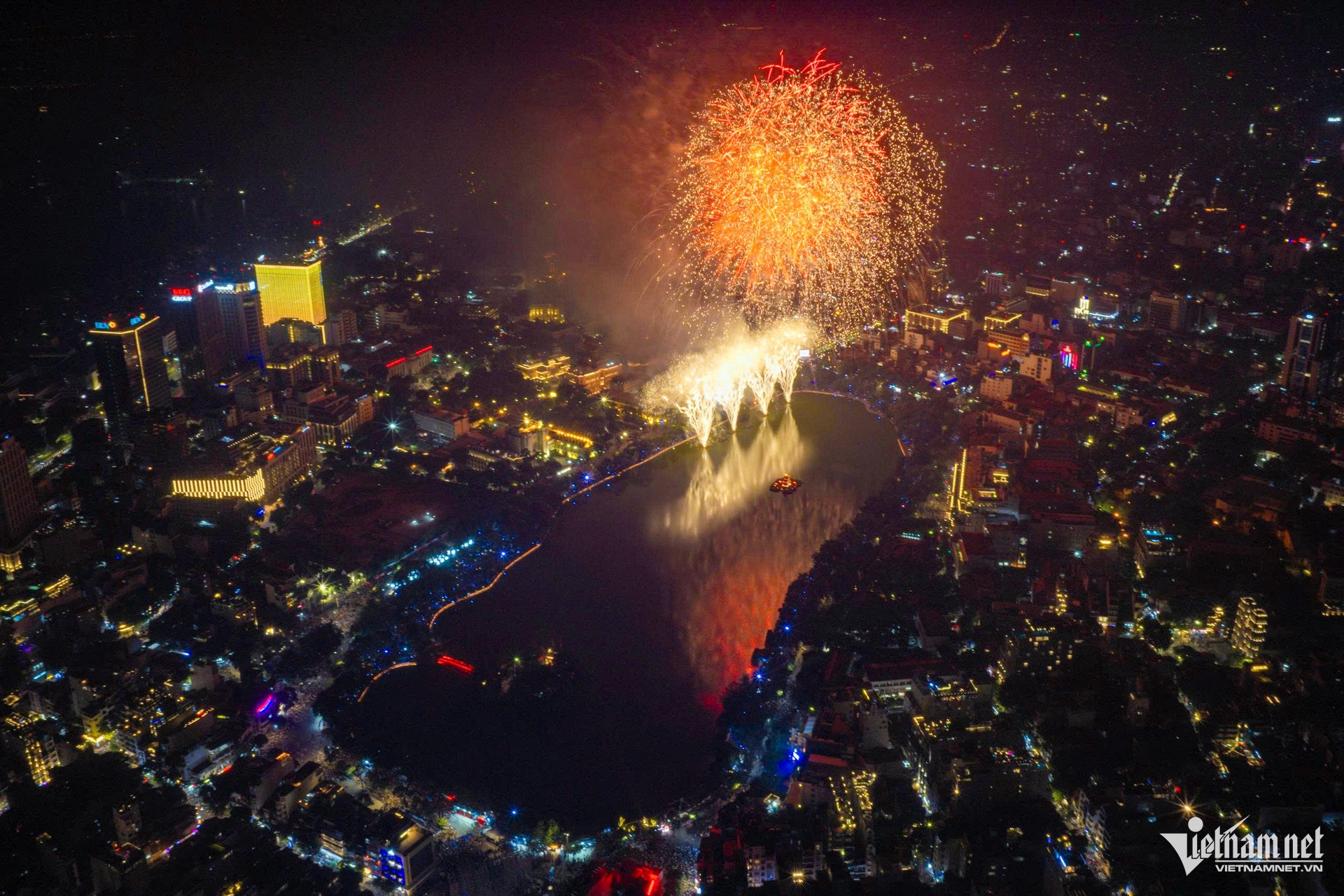
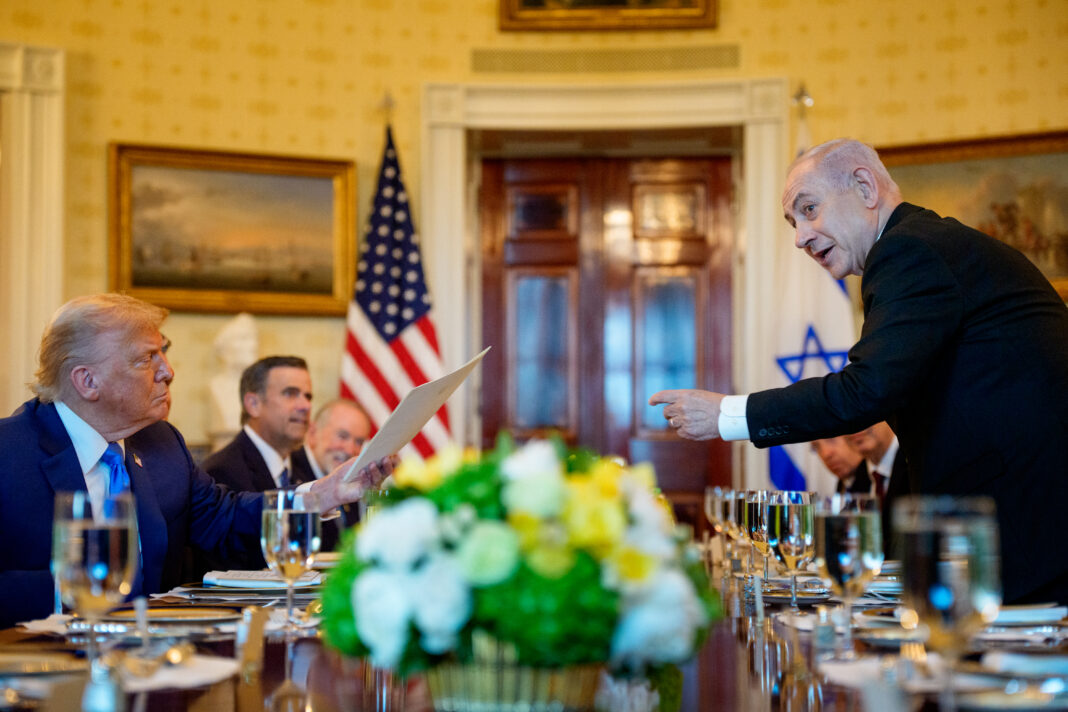 Thủ Tướng Benjamin Netanyahu (phải) của Israel trao cho Tổng Thống Donald Trump lá thư mà ông gửi tới Ủy Ban Giải Nobel Hòa bình để đề cử ông Trump cho giải thưởng này tại Toà Bạch Ốc vào Tháng Bảy, 2025.
 "Hành vi của anh ta rất kỳ lạ. Anh ta hay thực hiện các nghi lễ tôn giáo không giống ai tại chỗ làm, cầu nguyện suốt ngày và từ chối bắt tay với phụ nữ".
Trang Sách Hiếm
| ©2012 |